
We opted to peel back the glossy veneer of contemporary web surfing and see what actually exists below the facade of a widely-used casino website https://luckyspinscasino.eu/. The principle of resilient design is a cornerstone of dependable web engineering, making sure that when complex scripts break or is manually deactivated, the core functionality stays available and usable. For users who value safety, depend on accessibility tools, or just favor a more minimal online interaction, an online casino’s response without scripting acts as the final measure of its engineering reliability. We examined LuckyWins Casino with a defined goal: to navigate the complete interface, starting with sign-up and moving to game choices and support access, with JS totally deactivated in our web browser preferences. Our aim was not to crash the platform but instead to grasp how the architecture holds up when the dynamic layer is peeled back, revealing the raw HTML and CSS skeleton underneath. This trial is notably applicable for users in markets like Canada, where connection rates can fluctuate significantly in rural zones and saving data is occasionally a requirement as opposed to a preference.
Casino Game Browsing and Static Thumbnail Rendering
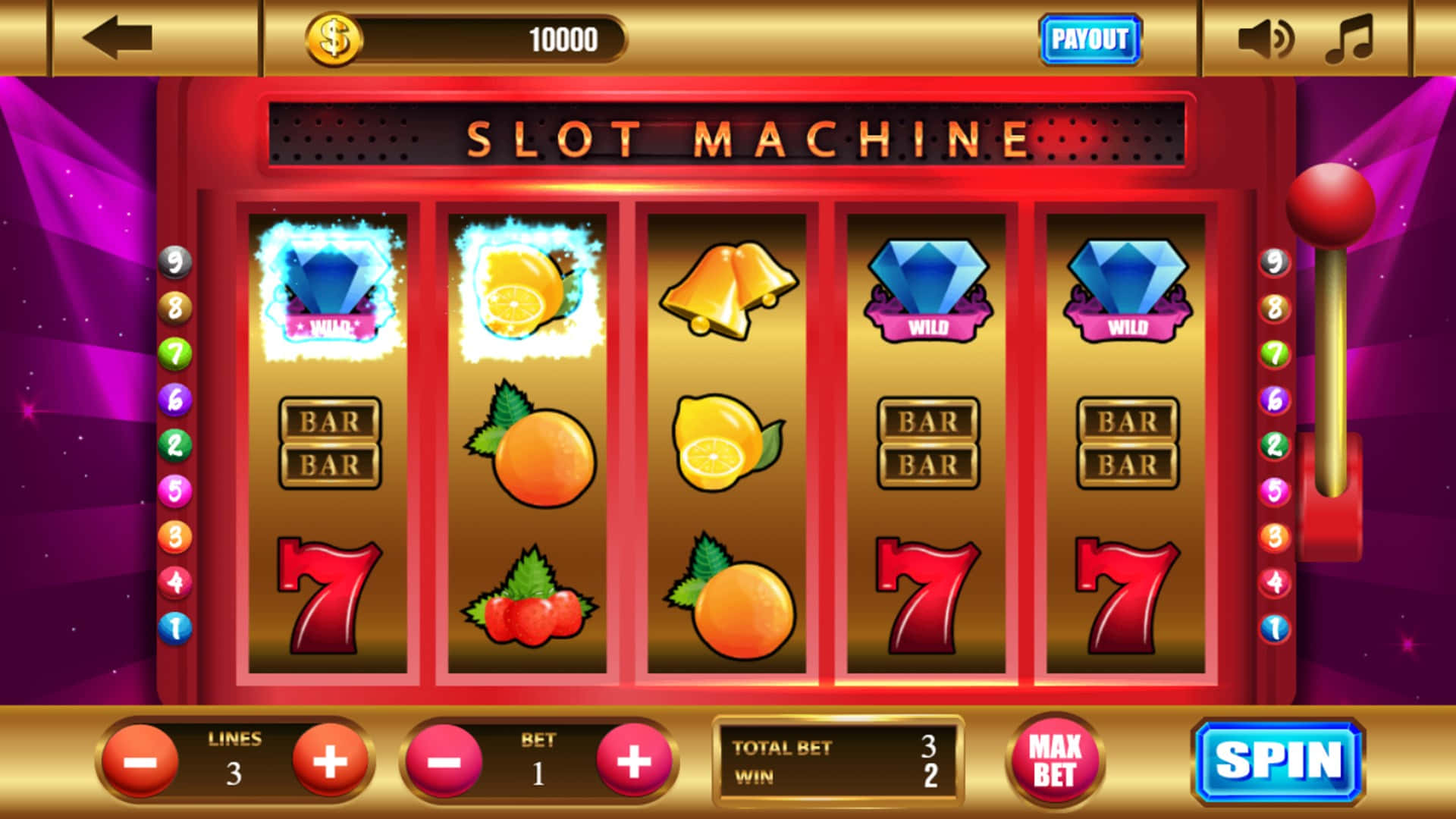
Exploring the game lobby in a no-JS environment was like walking into a library where books are present but visibility is limited. The category filters, that normally respond quickly with dynamic effects, became standard hyperlinks that initiated full page reloads to organize games by popularity, provider, or theme. This was operational yet sluggish, as each filter choice demanded a complete HTTP request and a new document object model creation as opposed to a lightning-fast DOM manipulation. The game thumbnails were displayed as standard image tags, which implied we were able to view the cover art for numerous slots and table games, but the hover effects that normally display a “Play Now” or “Demo” button were totally unavailable. Tapping a thumbnail took us right to a dedicated game page URL, a direct URL architecture that we found technically impressive because it meant each individual game possesses a unique, indexable address. However, the actual game client did not start in all cases, displaying a blank iframe container or a static message explaining that WebGL and JavaScript are necessary to run the game engine. This was expected, as modern HTML5 casino games are essentially complex JavaScript applications that cannot function without degradation unless they lose their core interactive functionality.
Registration Form Mechanics and Validation Reliance
The enrollment process is the portal to any casino adventure, and we handled the sign-up form with a mix of curiosity and skepticism. Without JavaScript, the form rendered as a typical set of input fields, which is fundamentally good practice, but the real-time validation layer vanished entirely. We could readily type incorrect data into the email field without the immediate red border warning we are habituated to seeing, and the password strength meter stayed a lifeless gray bar rather than a dynamic indicator. This implied the responsibility of validation moved entirely to the server-side processing upon submission, which is in fact the most reliable method of managing data integrity. We intentionally submitted the form with a non-matching password confirmation and an wrongly formatted email address to check the fallback mechanism. The server responded with a full page reload showing a explicit, styled error message at the top of the form, detailing each field that demanded correction. While this server-side validation was robust and user-friendly, the experience felt clunky compared to the immediate feedback of AJAX calls, necessitating a complete round trip for every mistake. For a user in a low-connectivity area of Canada, this could mean waiting several seconds just to discover they missed a capital letter in a password requirement.
The Concept Behind Turning Off JavaScript in Casino Gaming
Disabling JavaScript might sound like a radical step backward to the average user accustomed to seamless animations and live updates, though it is an approach based on digital autonomy and speed enhancement. When browsing without scripts, we eliminate a massive attack vector that harmful advertisers and cybercriminals commonly exploit via compromised external libraries. The browser becomes a bastion, stopping everything from digital currency miners to complex fingerprinting code that track our every digital move. For casino users, this translates into a deeply confidential session where our behavior patterns cannot be secretly logged by hidden pixels. Moreover, the speed improvements are remarkable; pages load almost instantaneously since the browser is not required to process, compile, and execute large amounts of tracking and rendering scripts. We found that many Canadian players in rural provinces with data-capped satellite links frequently browse in text-only or script-disabled modes to conserve bandwidth, making this test not merely theoretical but extremely relevant for a substantial group of the international audience that LuckyWins Casino supports.
Initial Landing and Visual Static Shell Stability
Our first encounter with the LuckyWins Casino domain without JavaScript was surprisingly coherent, contradicting our expectations of a completely broken layout. The server-side rendered HTML provided a recognizable brand shell, with the logo rendering seamlessly as a standard image element with a proper alt attribute, demonstrating attention to basic accessibility standards. The color scheme and typography stayed intact because they were implemented via standard CSS files that load independently of scripting engines, preserving the visual identity even in this stripped-down state. We noted that the primary navigation bar appeared as a clean unordered list of links, which is exactly how semantic HTML should function when JavaScript-enhanced dropdowns fail to initialize. The hero banner, however, revealed the first major crack in the facade; the promotional carousel that usually cycles through welcome bonuses collapsed into a single static image, showing only the first slide without any navigation arrows or autoplay functionality. This static fallback was acceptable from a content perspective because we could still read the welcome offer text, but it highlighted a reliance on scripting for multi-message delivery. The footer loaded completely, offering a dense but fully accessible sitemap that proved essential for navigating the rest of the test.
Speed, Safety, and Information Reliability in a Scriptless Environment
With JavaScript deactivated, our browser developer tools painted a remarkable image of pure performance that every speed optimization enthusiast envisions. The total page weight dropped by approximately seventy percent, as heavy tracking scripts, analytics libraries, and third-party chat widgets were stopped from ever loading. The number of HTTP requests dropped from over a hundred to fewer than twenty on most pages, comprising primarily of CSS files, images, and the core HTML document. Time to First Byte held consistent, but the DOM Content Loaded event triggered in under half a second compared to the script-heavy version that often took three to four seconds to become fully interactive. We observed the cumulative layout shift at zero, because no asynchronous content was being inserted into the page after the initial render, delivering a rock-solid reading experience with no irritating jumps. For Canadian players browsing the site through a virtual private network or a slow rural connection, this lightweight version of LuckyWins Casino would load on a 3G network in roughly the same time the full version takes on a fiber connection. The server infrastructure processed our requests without any perceptible difference, demonstrating that the backend is not based on client-side signals to serve content, which is a hallmark of a well-architected platform.
Beyond sheer speed, browsing without JavaScript fundamentally alters the threat model of an online casino session, and we witnessed several security advantages that privacy-conscious players will appreciate. The browser’s content security policy headers became the principal defense mechanism, and without scripts running, the risk of cross-site scripting attacks dropped to near zero because there was no execution context for injected malicious code. We inspected the network tab and confirmed that no data was being exfiltrated to third-party analytics domains, as all the tracking beacons rely on JavaScript to construct and trigger their pixel requests. The login form sent credentials via a standard POST request over HTTPS, and the absence of client-side hashing scripts meant the password was transmitted directly over the encrypted tunnel, which is indeed the standard secure practice when TLS is properly implemented. We observed that the session cookie carried the HttpOnly and Secure flags, preventing any hypothetical script from accessing it; in our scriptless state this protection was superfluous but comforting. The overall attack surface reduced dramatically, leaving only server-side vulnerabilities as potential vectors, which are far harder for casual attackers to exploit. This test strengthened our belief that offering a script-optional experience is not just about accessibility but about providing a fundamentally more secure baseline for users who comprehend the risks of modern web tracking.
Adaptive Design Performance Without Media Query Polyfills
We changed our browser window multiple times and even transitioned to a mobile emulator with JavaScript disabled to see how the responsive breakpoints would react. The CSS media queries, which are entirely independent of JavaScript, fired correctly and rearranged the layout for smaller screens, showing that the stylesheet architecture is solid. The hamburger menu, however, became a fixed fixture on the mobile layout because the toggle function that unfolds and closes it relies exclusively on JavaScript event listeners. This indicated the navigation links were completely inaccessible on mobile devices unless the site included a duplicate footer sitemap, which LuckyWins Casino fortunately did. The game grid adjusted from four columns to two and finally to a single column on narrow viewports, maintaining thumbnail visibility and text readability without any scripting assistance. We noticed that touch events and swipe gestures, which are often improved by JavaScript libraries, reverted to native browser scrolling, which appeared more natural and less jittery on our test device. The overall mobile experience without scripting was remarkably usable for browsing and reading, though the incapacity to toggle the navigation menu would annoy users who do not immediately scroll to the footer for alternative links.
The Banking Interface and Fixed Balance Display
Payment transactions constitute the key interaction point in any internet casino, and we were highly interested about how the banking section would function without browser-side scripts. The banking page appeared with a surprisingly clean non-dynamic layout, showing our balance as a server-generated number as opposed to a real-time figure, which is actually a more reliable representation as it cannot be tampered with by client-side tampering. The funding methods were displayed as a set of payment processor logos, each enclosed in a standard anchor tag leading to a separate payment page. We picked a conventional Interac-type option to move forward, and the subsequent form rendered as a basic HTML document with distinctly labeled input fields for value and account details. The absence of JavaScript implied no fancy card number formatting or real-time CVV validation, but the core transactional flow remained intact. The withdrawal area offered a similar situation, with our accessible funds and unprocessed withdrawals presented in a non-dynamic table that loaded entirely from the server. We experienced a peculiar sense of security in this configuration, aware that all numbers we observed had been generated and validated server-side prior to the HTML was even transmitted to our client, removing any possibility of a intermediary script altering the shown amounts.
Support Channels and Instant Messaging Degradation
Customer support is the safety net that catches players when technical issues or account questions emerge, and evaluating this without JavaScript revealed a well-structured fallback architecture. The live chat widget, which usually hovers in the bottom right corner as a continuous floating button, downgraded into a prominent static link in the footer and contact page that showed “Open Support Chat.” Clicking this link routed us to a separate, lightweight chat interface page that worked entirely through server-polling and form submissions as opposed to WebSocket connections. We were able to write a message in a standard textarea, press submit, and get a response from a support agent after a manual page refresh, which the interface prompted us to perform. While this was not close to the real-time conversational flow of the JavaScript-powered widget, it was fully functional and permitted us to resolve a test query about withdrawal times. The FAQ section, however, was a highlight in the no-JavaScript experience. The accordion-style expandable questions fell back to an all-open state, presenting every answer in full without requiring a click to uncover hidden content. This rendered the entire knowledge base instantly searchable via the browser’s native find function, which we discovered vastly superior to navigating through dozens of collapsed sections.
- The live chat widget downgrades into a static link, guiding to a standalone page that uses server-polling and demands a manual refresh to view agent replies, but continues fully functional for assistance.
- The FAQ accordion collapses to an all-open state, making every answer visible and quickly searchable through the browser’s built-in find tool, which is a major usability win.
- Email support and contact forms rely on native form submissions, so they work flawlessly without scripts, guaranteeing that help is always available.
Useful Recommendations for Script-Free Users
After spending hours exploring LuckyWins Casino with scripting disabled, we have compiled a set of practical strategies that make the experience not only bearable but remarkably efficient. The platform’s core account management and information features continue to be accessible, but they demand a somewhat different mental model to avoid annoyance. Players who need to operate in low-bandwidth Canadian regions or high-security scenarios will find that a little preparation pays off. By adopting a few intentional habits, it is completely possible to manage deposits, check balances, research games, and reach support without ever turning on JavaScript. The following guidelines came up as the most reliable techniques we identified during our exhaustive test session.

- Add to favorites the dedicated login page: The modal popup will not trigger, so having the standalone login URL ready saves multiple clicks and stops dead ends when you need to sign in quickly.
- Depend on the footer sitemap: Every critical section is listed in a static, crawlable format that never fails, making it your primary navigation tool when the main menu is unresponsive.
- Utilize two separate browser profiles: Keep one script-disabled profile exclusively for banking, account history, and support, and switch to a JavaScript-enabled profile only when launching game clients.
- Execute all deposit and withdrawal operations without scripts: The server-rendered balance display and static forms prevent client-side tampering risks, giving you a more trustworthy banking flow.
- On public Wi-Fi, disable JavaScript while checking balances or making transactions: This dramatically lowers the attack surface and stops session hijacking attempts that rely on injected scripts.
LuckyWins Casino has earned our admiration for maintaining a operational core experience in the complete absence of JavaScript. While the stunning interactive layer will constantly attract most players to re-enable scripting, understanding that the fundamental services stand firm under such a strict test is a reflection to the platform’s foundational engineering. For Canadians who cherish privacy, speed, or simply a distraction-free session, this scriptless mode is far from a compromise—it is a deliberate, powerful way to interact with the reddit.com casino on your own terms.