


See beyond the Greek gods and myths, and you will notice something else influencing your experience in the Temple of Iris slot: colour. Every shade on the screen is there for a reason. The artists and designers choose each hue to evoke specific feelings, to draw you further into the game. For someone from the UK, this visual strategy operates subtly in the background. It affects how exciting the game feels, whether it appears reliable, and that subtle nudge to spin just one more time.
A Look at Colour Psychology in Gaming
Colour psychology is the analysis of how different shades sway our emotions, decisions, and how we see things. In video games and online slots, this isn’t just art—it’s a fundamental part of the design. Developers use colour to guide your eyes where they want them, to build a world, and to deliver a story without using a single word. In a slot like Temple of Iris, colour establishes the scene long before you hit the spin button.
This approach holds extra weight in the busy UK iGaming scene. With so many games to select, a slot needs to grab attention instantly. The colour scheme has to do more than just be attractive. It must feel right to a British player, leveraging familiar feelings and encouraging a fun, extended play session that stays within sensible limits. The mythology provides the story, but the colours supply the mood.
This goes much further than simple decoration. A game’s palette is a form of silent communication. It can indicate how volatile the game might be, how serious its theme is, and who it’s trying to attract. A slot with dusty, complicated colours often indicates a story-heavy adventure. One with sharp, electric contrasts usually offers fast, explosive action.
When you comprehend this layer of design, you perceive modern slots in a new light. The screen stops being a passive picture and starts acting like part of the game itself. It influences the rhythm of your session, the rise and fall of excitement. Every colour choice by the art team is a calculated move in the gameplay.
The main palette of Temple of Iris
Temple of Iris builds its whole world with three key colors: deep purple, shining gold, and vivid sky blue. These aren’t random selections. Each connects straight to the goddess at the core of the game. Purple has always been linked to royalty, the divine, and enigma. It immediately reveals you that Iris, the messenger of the gods, is a symbol of grandeur and might. The colour inspires a sense of amazement.
The gold functions beside it, expressing the common language of riches, achievement, and divine reward. It connects the colour straight to the slot’s main promise—a win. The soft blues of the sky mirror Iris’s own domain as the representation of the rainbow. This blue conjures feelings of calm and vast opportunity. Combined, this group wraps UK users in an atmosphere that feels both luxurious and genuinely mythic.
The distinct shades count, as well. This purple is a proper royal or amethyst shade, not a pale lavender or a vivid magenta. The golden is warm and gleaming, like an ancient relic, not a bright, new coin. These choices add to the feeling of age and wealth.
Purple: Grandeur and Enigma
The purple has a pair of key roles. It first creates an air of luxury along with specialness, appealing to players looking for a premium experience. Secondly, its spiritual and mysterious side fits the ancient Greek setting perfectly. It suggests there are secrets inside the temple awaiting discovery, which creates a sense of anticipation with every spin.
Psychologists note that purple can spark creative thinking. In this slot, that could translate to a player becoming more engaged with the game’s mechanics, more curious about unlocking its features. It’s the colour visible at twilight, a time between day and night. This reflects the slot’s own balance between pure chance and a player’s personal choices.
The gold: The Pull of Reward
Gold is gaming’s shorthand for success. In Temple of Iris, it covers the important icons, the decorative trim, and the bonus symbols. It acts as a constant visual reminder of potential rewards. This colour ignites feelings of optimism and a little thrill. Its shiny quality, often boosted with a gentle animation, draws your eye. It makes a winning combination feel more satisfying as well as look more important on the screen.
The designers use gold sparingly. It’s an accent, not the main canvas. This maintains it feeling special. When a winning line ignites, those gold elements usually shimmer or glow. This gives you a tiny visual reward that goes with the financial one, tying the colour directly to the pleasurable dopamine hit of a win.
Special Feature Launch: Colour as a Trigger
The game uses powerful colour changes to announce when something special is happening. If you unlock free spins or a bonus game, the entire screen often transforms. The background might darken to a twilight purple, making all the gold icons burn brighter. This sudden shift creates a powerful sense of occasion.
This colour switch acts as a clear psychological reward signal. The change commands your full attention, ramping up anticipation and telling you the ordinary game has paused for something better. For the player, this visual celebration makes the bonus round feel more precious and memorable than a standard win. It boosts engagement and the sense of satisfaction.
During the free spins themselves, the colours might keep evolving. The sky could cycle through the hues of a sunrise, a direct nod to Iris’s link with the rainbow. This moving environment keeps the bonus round visually new and separate from the base game, holding your interest all the way to the last spin.
Sound works hand-in-hand with these colour shifts. A rising chord or a fanfare paired with the visual change creates a multi-sensory event. It’s far more impactful than a simple text box popping up. This full-scale approach turns a bonus trigger into an absolute high point, a reward for your luck and your time.
The Logic Behind the Shades: How It Functions
The game’s color design works because it leverages real neurological and cognitive pathways. Different light wavelengths stimulate different effects in the brain’s limbic system, which manages emotion. Warm hues like gold can raise your alertness and attention, while stable blues can promote trust and calm. Temple of Iris combines these elements with a careful hand.
Using opposing hues, like purple and its counterpart yellow-gold, creates strong contrast and a natural balance that our brains find appealing. This eases visual strain and, without you noticing, motivates you to keep looking. By aligning these scientific ideas with its story, the game creates a psychological sweet spot for involvement—excitement that persists but doesn’t fatigue you.
A rule called colour constancy also helps. The game keeps a uniform light source (the sun), so shadows and highlights on symbols look logical. This builds a believable, stable world. When your brain doesn’t have to adjust confusing lighting, it can unwind. That frees up mental energy to actually savor playing the game.
Finally, the order of colour experiences follows a designed path. Your session begins with the calm blues of the base game, jumps to the focused thrill of gold and purple wins, and peaks with the dynamic shifts of a bonus round. This structured visual journey reflects a classic story arc. It offers you a subconscious sense of satisfaction that runs deeper than whether any single spin was a winner.
Background and Atmosphere: Establishing the Tonal Feel
The backdrop for Temple of Iris depicts a sunlit ancient temple before a peaceful sky. This vista uses hues to build a calm, welcoming atmosphere. Soft blues and warm-toned stone beiges foster tranquillity and concentration. This is a key psychological trick. It prevents the visuals from becoming too chaotic and enables the vibrant symbols on the reels own your gaze.
This tranquil setting dials down any possible anxiety from the rapid pace of the spins. It forms a type of digital haven where you experience in charge, a serene juxtaposition to the lively reels. For UK players, this balance between a calming background and exciting gameplay can render longer sessions more pleasurable, avoiding that sensation of being visually attacked.
The environment’s hues also tell a narrative. The warm stone suggests a building forever in sunlight, a spot of security and splendour. The sky is an endless clear blue, hinting at openness and luck, with no dark clouds to suggest bad luck. Without your conscious awareness, this sets up your entire gaming session as a optimistic journey in a protected, grand setting.
Small touches in the backdrop, like a hint of green ivy on a column or subtle golden patterns, add texture without creating a distraction. These touches use colour to imply energy and hidden value in the temple walls, reinforcing the theme of discovery. The overall result is a harmonious world that holds up the main attraction on the reels rather than clashing with it.
Colour, Concentration, and Keeping Players Engaged
The strategic colour design impacts how long and how closely you play. Contrast is the key tool here. Bright, warm-coloured symbols set against a cooler, softer background push your eye to the reels. This directs your focus effectively, making the game simpler to grasp and more enjoyable over many spins.
Adhering to a clear colour code for different features (like bonus symbols or wilds) helps players understand the game fast. You start to recognise opportunities without constantly checking the rules. This smooth experience, Temple Of Iris, helped by smart colour use, cuts down on frustration. It fosters that ‘flow state’ where you get fully absorbed, often resulting in longer sessions and a greater chance you’ll return to the game another day.
The game also utilises a sort of colour rhythm to counter boredom. While the base colours stay the same, the regular flashes from wins, animations, and bonus triggers deliver little bursts of change. This variation tickles your visual brain just often enough to prevent the screen from going stale, which helps sustain your interest.
Good colour design also aids accessibility. Having enough contrast between symbols and the background assists players with minor sight issues, or anyone playing in bright sunlight or a dim room. By making the game readable and comfortable for more people, the design quietly supports longer play across a wider portion of the UK audience.
Symbol Colours and Their Hidden Messages
The shades of every symbol are selected with care to create a clear order of importance. The high-value symbols, like the goddess Iris or a ritual urn, radiate in vibrant golds, purples, and jade greens. These vibrant, deep colors help them stand out, marking them as the wins you want to see. Their aesthetic presence means you spot them the moment they land on the reels.
Lower-value symbols, usually the standard card suits (A, K, Q, J), receive a colder look. They show up in a silver metallic or a muted stone colour. This difference establishes a simple visual order. Your eye learns to differentiate a regular icon from a high-value icon very quickly. The variation means a high-value symbol triggers a faster, more intense rush of excitement.
Special icons like the Wild and Scatter get their own colour rules within this arrangement. The Wild, maybe an iris flower emblem, might be outlined in a brilliant gold to make it stand out. The Scatter could be a multicolor crystal, using a burst of various hues to disturb the established scheme and shout about its special function in triggering bonus games.
This meticulous color system even applies to the buttons you tap. The ‘Spin’ button is likely a prominent, inviting gold or green. Buttons for adjustments or paytables are understated. This guides your hand naturally, using colour to demonstrate what is an activity and what is just information. It enhances the experience so you can play without stopping to think.
Cultural Colour Meanings for the UK Market
While basic colour psychology works for everyone, Temple of Iris also relies on connections that feel familiar to a UK player. That majestic purple and gold? It mirrors British pageantry and monarchy. It triggers implicit feelings of heritage, excellence, and prestige. These are positive, trusted links that can make the game itself feel more authentic and attractive.
The game also avoids colours with significant negative connotations in the UK. Its entire colour palette appears sophisticated and traditional, not garish or harsh. This cultural awareness renders the visual experience pleasant and engaging, aligning with local preferences and helping the game succeed in a saturated market.
Even the exact blue they use has a local resonance. It’s the blue of a ideal summer sky, a positive and somewhat aspirational image given the UK’s famous weather. This pleasant, recognisable connection helps cultivate a hospitable and hopeful mood. The artists avoid the dull greys that might subconsciously remind a British player of a dismal, wet day.
They’ve even thought about green. In the UK, green means luck and nature, but also money (think of bank notes). The game uses emerald and jade hues that suggest precious stones, linking it to riches and the natural world within the myth. They bypass a bright ‘racing green’ that would feel out of place in an ancient temple.
Comparison Different Well-known Slots
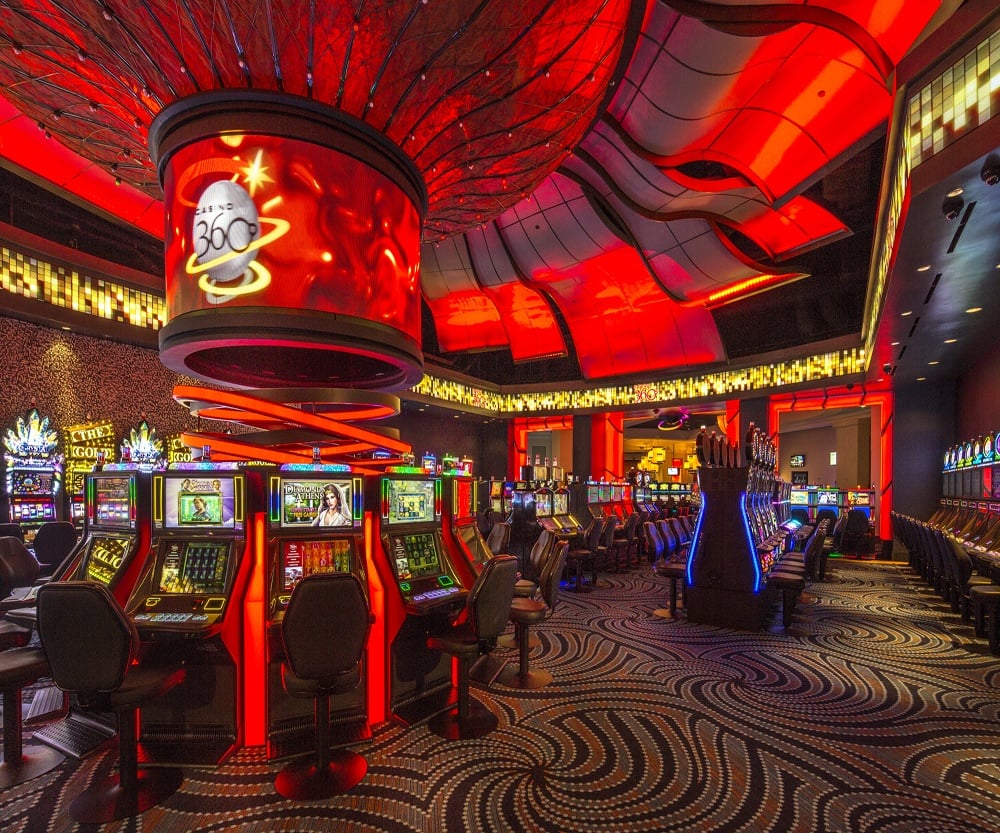
Stack Temple of Iris against alternative popular slots, its colour selections help it be noticeable. It steers clear of the dazzling neon of some fantasy games nor the muddy browns of some historical ones. Its palette is rich but not exhausting, legendary yet peaceful. In contrast to slots that use alarming reds along with blacks to create tension, Temple of Iris features inviting purples with blues to combine excitement with a sense of feeling of peaceful discovery.
This positions it within the same visual family as premium adventure slots, but with a stronger emphasis on divine elegance instead of rough-and-tumble action. For the UK player scrolling through hundreds of games, this distinct look enables Temple of Iris get recognised instantly. It appeals to players who want atmosphere along with depth alongside their chance to win, separating it compared to more graphically intense rivals.
Take a title like ‘Book of Dead’. It leans hard on strong gold and black against a dark Egyptian tomb, creating a tense, closed-in treasure hunt. Temple of Iris appears more open and spacious. Relative to the sugary-bright colours from many casual slots, Iris tells a more grown-up and elegant colour story.
This positioning through colour enables it to claim a specific psychological spot. It aims at players who could find hyper-aggressive visuals off-putting while still want a genuine thrill. You might term what it offers “elegant excitement.” It’s a niche that employs colour psychology to draw in and retain a particular group of United Kingdom players.





























